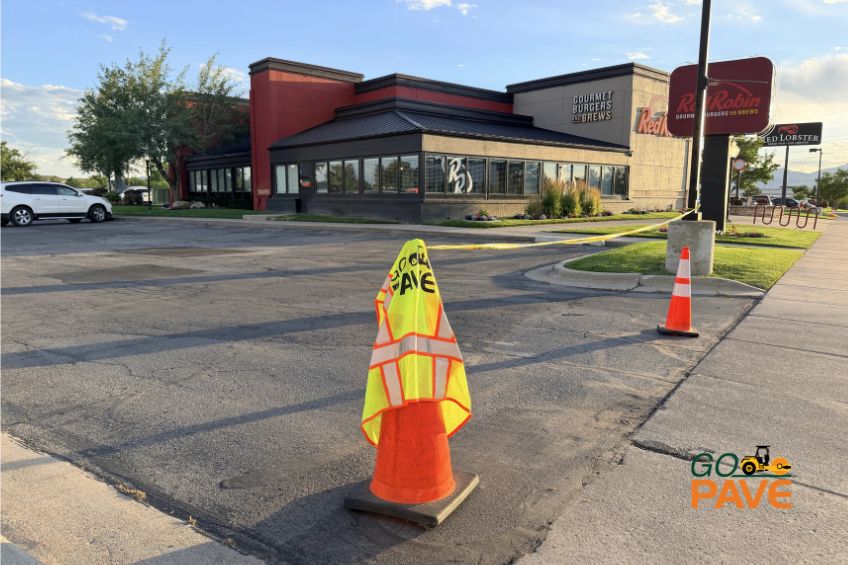
As summer temperatures climb across the Western United States, commercial pavement is exposed to conditions that can accelerate wear and shorten its service life. While asphalt is engineered for durability, prolonged heat changes how it performs under daily traffic. For commercial property owners, facility managers, and property management companies, understanding the effects of high temperatures on asphalt can help reduce repair costs and support a more proactive maintenance strategy.
Asphalt is designed with flexibility in mind, allowing it to expand and contract with seasonal temperature fluctuations while supporting vehicle traffic. During the hottest months of the year, however, pavement absorbs and retains a significant amount of solar heat. Surface temperatures often climb well above the surrounding air temperature, particularly on large parking lots and roadways with little shade.
Although asphalt does not melt under normal summer conditions, elevated surface temperatures make it more pliable. This temporary softening allows heavy vehicles and frequent traffic to place additional stress on the pavement. Delivery trucks, commercial fleets, and vehicles making repeated turning movements can create increased pressure that gradually affects the integrity of the surface.
Commercial properties with consistent vehicle traffic often experience accelerated wear during extended periods of hot weather, making summer an important season for pavement monitoring and maintenance.
Not every section of a parking lot experiences the same level of stress. Areas where vehicles frequently stop, turn, or carry heavier loads generally show signs of deterioration first. Common high-impact locations include:
As softened pavement encounters repeated vehicle movement, surface distortion can begin to develop. Tire scuffing, slight depressions, and localized rippling are often early indicators that asphalt is under excessive stress. Left untreated, these areas can eventually develop cracks, uneven surfaces, or low spots that retain water after rainfall.
Existing cracks also become more susceptible to expansion during periods of prolonged heat. Combined with daily traffic, these weakened sections can deteriorate much faster than they would during cooler seasons.
The impact of summer temperatures extends beyond cosmetic appearance. Repeated heating and cooling cycles gradually place stress on the entire pavement structure. As asphalt expands during the day and contracts overnight, the material experiences ongoing movement that slowly contributes to fatigue.
When this natural cycle is combined with heavy commercial traffic, the pavement becomes increasingly vulnerable to structural damage. Small surface imperfections may eventually allow moisture to penetrate below the asphalt, weakening the base and increasing the likelihood of potholes, cracking, and larger repair projects in the future.
Addressing minor pavement issues before they expand is often one of the most cost-effective ways to preserve the long-term performance of commercial asphalt.
Routine pavement maintenance helps reduce the effects of seasonal heat while protecting the overall investment in your property. Rather than waiting until visible damage becomes extensive, many commercial property owners benefit from scheduled inspections and preventative services throughout the year.
Preventative maintenance may include:
Identifying vulnerable areas early allows maintenance teams to make targeted repairs before larger structural issues develop. This proactive approach often extends pavement life while helping property owners better manage maintenance budgets.
Go Pave works with commercial property owners, facility managers, municipalities, industrial facilities, retail centers, HOAs, healthcare campuses, educational institutions, and multi-site property portfolios throughout the Western United States. By evaluating pavement condition, traffic patterns, drainage, and seasonal wear, the team develops maintenance solutions designed to maximize pavement performance and reduce long-term repair costs.
Whether your property requires asphalt repairs, crack sealing, preventative maintenance, resurfacing, or complete pavement rehabilitation, Go Pave provides experienced guidance to help protect your investment throughout every season.
Summer heat is an unavoidable part of pavement ownership, but costly damage doesn't have to be. With routine inspections, timely maintenance, and a long-term pavement management strategy, commercial properties can better withstand seasonal stress, maintain a safer environment for customers and employees, and extend the life of their asphalt surfaces for years to come.